
- You are here:
-
HNRP Home

- News
Main Menu
Quick Links


Spotlight

Dr. Grant celebrates Wei-Ming Watson’s receiving her Ph.D. in Clinical Psychology at UC San Diego’s commencement on 6/11/22
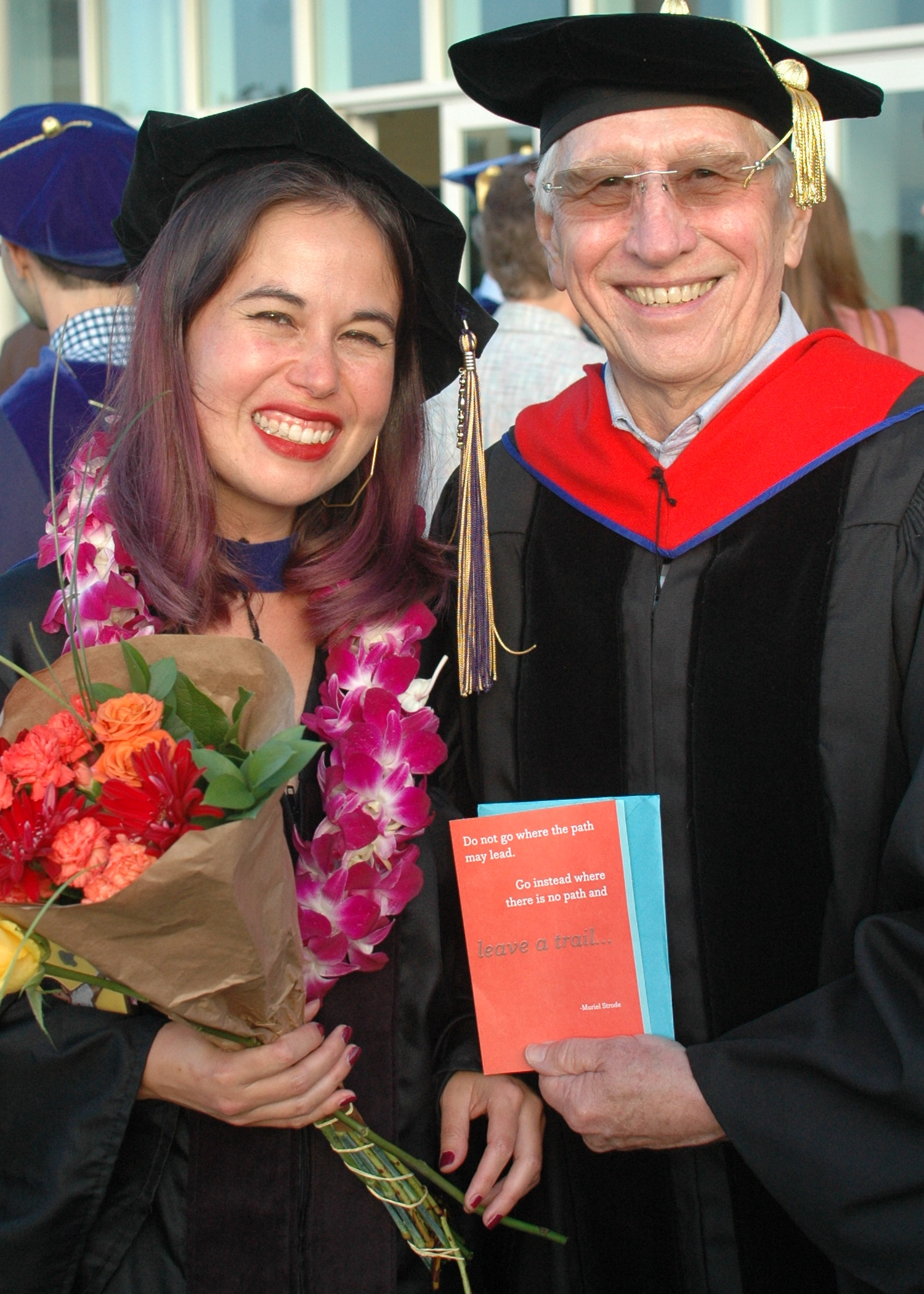
With co-mentorship provided by Dr. Grant and his colleague Dr. Erin Morgan, Wei-Ming Watson built an impressive record of research at the HNRP and CMCR examining the role of trauma/stress on cognition, mechanisms of ethnic/racial cognitive disparities, and the complex influence of cannabis/cannabinoid exposure on cognitive health.
CMCR and HNRP Investigators published a manuscript in JAMA Psychiatry on Driving Performance and Cannabis
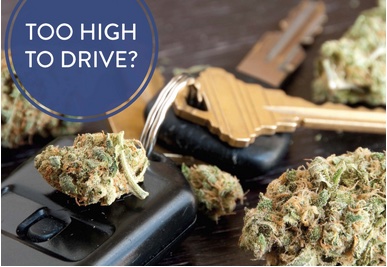
In the largest study of its kind - 191 regular cannabis users who smoked as they “would at home to get high” - published in JAMA Psychiatry, this CMCR randomized trial examined the magnitude and time course of driving impairments due to acute cannabis use, and whether different THC content levels in cigarettes affect driving performance. The authors also report on whether a person’s use history and the development of behavioral tolerance results in less of a driving decrement, as well as whether users are accurate in self-evaluating whether they are safe to drive.
Link to the publication in JAMA Psychiatry.
Read UC San Diego's News Center press release "Flowered steering: How well do drivers fare after smoking cannabis?" here
Read UC San Diego Guardian's article "UCSD Health studies cannabis consumption on driving ability" here
Read a comment in Psychology Today entitled, "Self-perception doesn't predict readiness to drive after cannabis use" here
Read The New York Times' article "Is driving high as dangerous as driving drunk?" here
Congratulations to Dr. Mariana Cherner for receiving a NIDA K24 grant

Mariana Cherner, PhD received a NIDA K24 grant titled, “Mentoring Clinical Researchers at the Intersection of NeuroHIV and Substance Abuse”.
HNRP is back in the community!!

HNRP was represented at the Monthly Community Health & Resource Fair on October 6, 2021 at the Jackie Robinson Family YMCA. In recognition of Breast Cancer Awareness Month, about 30 vendors participated in this event that provided free mammograms, free rapid COVID-19 testing and free COVID-19 vaccines to the local community.
Raeanne Moore & colleagues found that Objective and subjective sleep measures are associated with neurocognition in aging adults with and without HIV
Raeanne C. Moore and colleagues published a paper on "Objective and subjective sleep measures are associated with neurocognition in aging adults with and without HIV".
Studies have shown that poor sleep is related to worse cognitive functioning (e.g., memory, attention) in older adults and persons with HIV. However, the relationship between sleep and cognitive functioning has not been well studied in older people with HIV. In this study we examined how sleep relates to cognitive functioning in people aged 50 and older with and without HIV. We gave 84 participants paper and pencil cognitive tests to measure cognitive functioning. To measure sleep, we gave participants watches (similar to a Fitbit watch) to measure their sleep at home for 14 days. We also had participants rate their own sleep quality using a questionnaire.